First, accept that some abandonment is normal
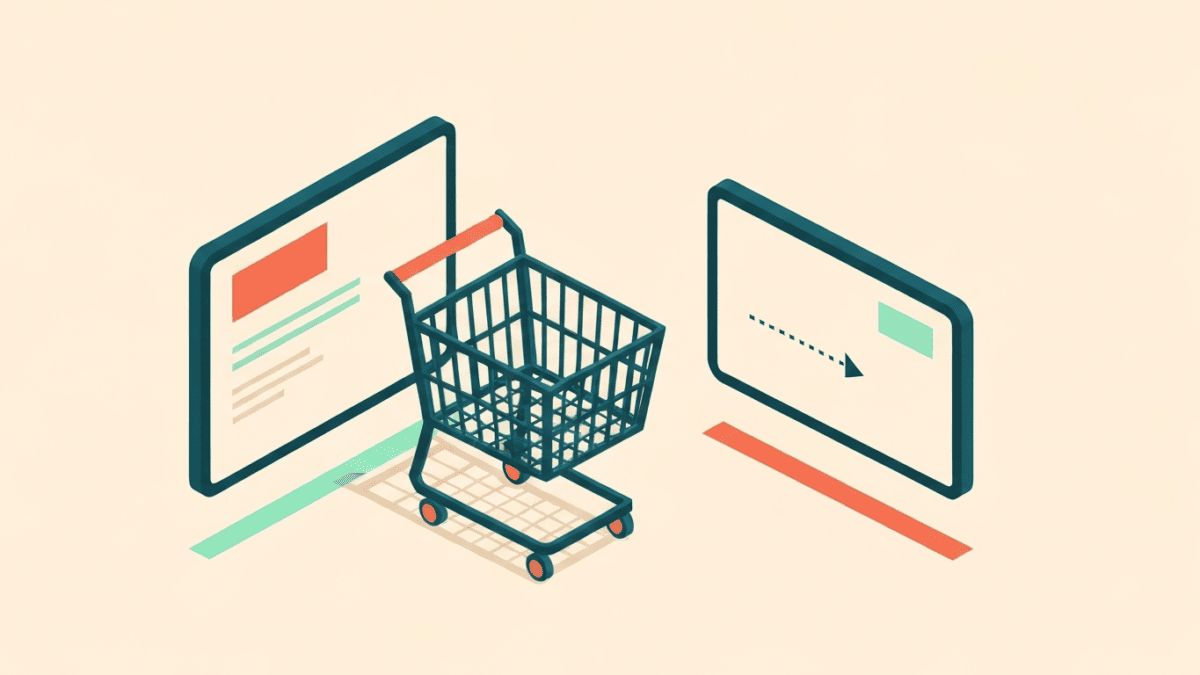
Before we talk about fixing cart abandonment, let me set an honest expectation: you will never get it to zero, and you should not try. A significant portion of shoppers add items to their cart with no immediate intention of buying. They are comparing prices across stores, saving products to consider later, checking what shipping would cost, or simply using the cart as a wish list. That behavior is baked into how people shop online.
So the goal is not to eliminate abandonment. The goal is to identify the abandonment you are causing yourself, through friction, surprise costs, or lost trust, and remove as much of it as you reasonably can. Those are the carts you can actually win back. Chasing the rest is a waste of energy.
Understand why shoppers leave
You cannot fix what you have not diagnosed. Cart abandonment has a handful of recurring causes, and most stores are guilty of at least one. The common culprits include:
- Unexpected costs at the end. Shipping fees, taxes, or surcharges that only appear at the final step are one of the most reliable ways to lose a sale. The shopper mentally committed to one price and got asked for another.
- Forced account creation. Requiring someone to create an account before they can buy adds friction at the worst possible moment. Many shoppers would rather leave than fill out a registration form.
- A long or confusing checkout. Too many steps, too many fields, or a process that feels clunky gives the shopper time and reason to reconsider.
- Lack of trust. If the store feels unfamiliar or the checkout does not feel secure, hesitation creeps in right when the customer is about to hand over payment details.
- Limited payment options. When a shopper cannot pay the way they prefer, some will simply give up rather than adapt.
- Just not ready. Sometimes the person genuinely intended to come back later, and there was nothing wrong on your end.
Not all of these are within your control, but most are. Work on the ones that are.
Make total cost clear early
If I had to name the single most impactful fix for self-inflicted abandonment, it would be cost transparency. The frustration of getting to the final screen and discovering the price jumped is real, and it sends people away.
Show shipping costs, or at least a clear way to estimate them, well before the final checkout step. If you offer free shipping above a threshold, say so prominently, because that can also nudge shoppers toward adding more. The principle is simple: the number the shopper sees early should closely match the number they are asked to pay at the end. Surprises at checkout are almost always bad ones.
Streamline the checkout itself
Every extra step and every unnecessary form field is a chance for the shopper to stop. Treat your checkout as something to simplify, not decorate.
| Friction point | What to do about it |
|---|---|
| Forced registration | Offer a guest checkout so buying does not require an account |
| Too many form fields | Ask only for what you genuinely need to fulfill the order |
| Unclear progress | Show shoppers where they are and how many steps remain |
| Hidden or late costs | Surface shipping and totals as early as possible |
| Few payment methods | Support the payment options your customers actually use |
Offering a guest checkout deserves special mention. You can still invite customers to create an account after the purchase is complete, when the pressure is off. Forcing it beforehand costs you sales you did not need to lose.
Build trust at the moment of payment
The final step of checkout is where a hesitant shopper decides whether to trust you with their money and their details. Small reassurances matter here more than almost anywhere else on the site.
Make your return and refund policy easy to find, because a clear, fair return policy lowers the perceived risk of buying. Display recognizable payment options, since familiarity itself is reassuring. If you have genuine trust signals, such as real customer reviews or clear contact information, make them visible without cluttering the page. The message you want the shopper to feel is simple: this is a real store, buying is safe, and if something goes wrong you will make it right.
Follow up on abandoned carts, thoughtfully
Even with a clean checkout, some shoppers will still leave, and a well-timed follow-up can bring a portion of them back. An abandoned-cart email reminds the customer of what they left behind and gives them an easy path to return and finish.
A few principles keep these follow-ups effective rather than annoying. Send a short sequence over a day or two rather than a single message or an endless barrage. Show the specific items left in the cart so the reminder feels relevant. Address the hesitations that commonly stall people, like shipping or returns, instead of assuming price was the only obstacle. And be cautious about leading with a discount every time, because doing so can teach shoppers to abandon deliberately in hopes of a coupon.
Follow-up is a recovery tool, not a substitute for a good checkout. It works best when the underlying experience was already smooth, and it can only do so much to rescue a checkout that frustrated the shopper in the first place.
Test, measure, and keep refining
Cart abandonment is not a problem you solve once. Shopper behavior, your product mix, and your traffic sources all shift over time. Treat reduction as an ongoing practice: watch where people drop off, form a hypothesis about why, change one thing, and see whether it helps.
Prioritize the changes most likely to move the needle, usually cost transparency and checkout friction, before fussing over smaller details. Small, steady improvements compound. You will not win back every abandoned cart, and you do not need to. Recovering the ones you were losing needlessly is a meaningful and achievable win.