What private label actually means
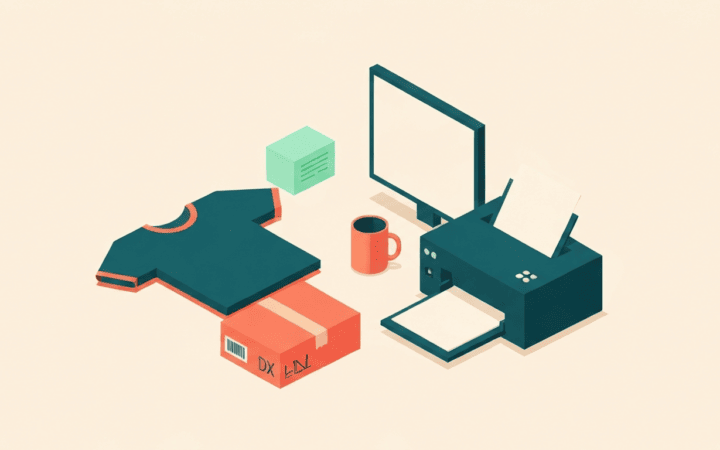
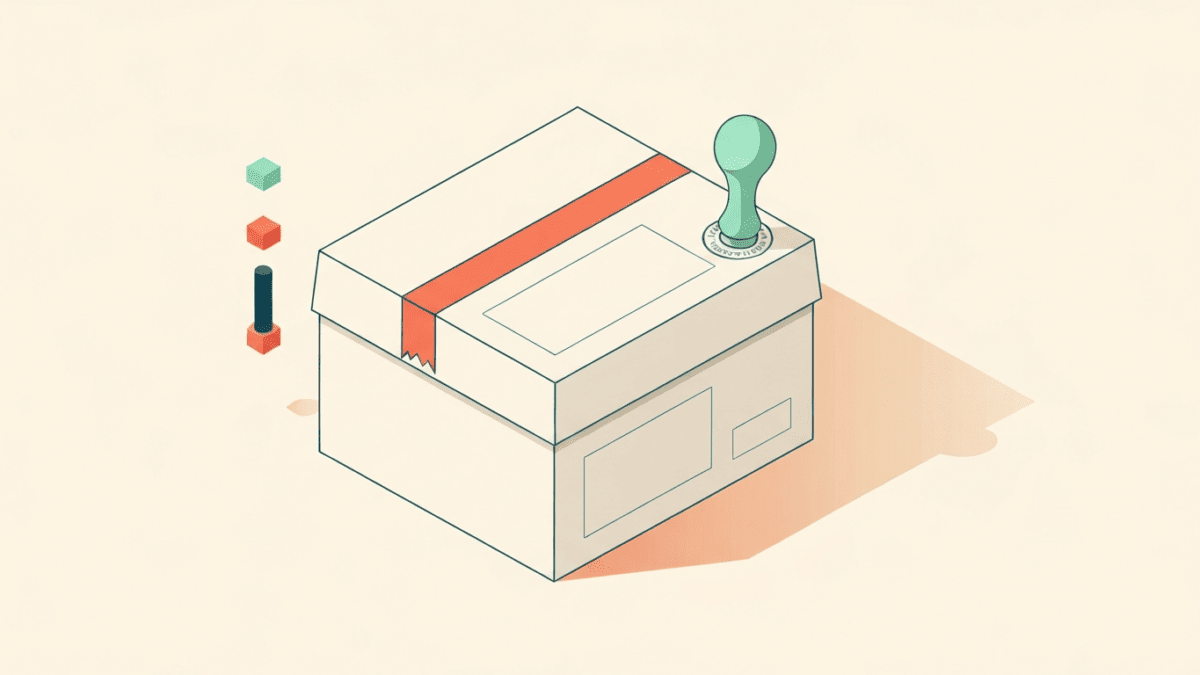
Private label is a model where you sell a product manufactured by someone else, but under your own brand name and packaging. The manufacturer already makes the item, or makes something close to it, and you arrange to have it produced with your branding, sometimes with modifications, and then you market and sell it as your own. It is the same arrangement behind many store-brand goods on supermarket shelves: the retailer did not invent the product, but the product carries the retailer’s name.
It helps to place private label between two neighbors. On one side is reselling, including dropshipping, where you move other people’s branded products and compete largely on price and service. On the other side is full product development, where you design and engineer something new from the ground up, which is slow, expensive, and risky. Private label sits in the middle. You get a product that already works and a factory that already knows how to make it, but you own the brand that sits on top of it.
That middle position is the whole point. You are not starting from a blank sheet, so you avoid much of the cost and uncertainty of invention. But you are also not renting someone else’s brand, so you are not trapped competing against every other seller offering the identical branded item. The product may be similar to competitors’ products, but the brand, the packaging, the positioning, and the customer relationship are yours.
How it differs from dropshipping
Because private label and dropshipping are often discussed together as beginner-friendly ecommerce models, it is worth being precise about how they differ, since the differences drive almost everything else.
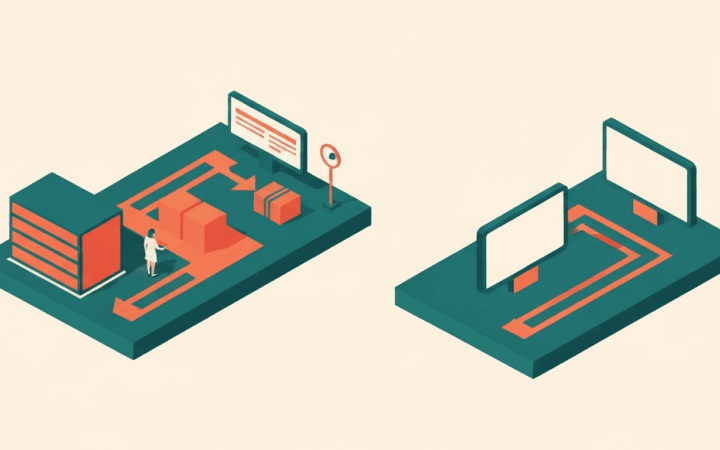
The most consequential difference is commitment. In dropshipping, you typically hold no inventory and pay for a unit only after a customer buys it. In private label, you generally commit to a production run, pay for it upfront, and hold that inventory until it sells. That single change ripples through the entire business. It raises the stakes of every decision, it introduces cash-flow constraints, and it makes your choice of product far harder to reverse.
The second difference is control, and it runs in your favor. Because the product is made to your order and carries your brand, you have influence over quality, packaging, and presentation that a dropshipper simply does not have. You can build something recognizable and defensible rather than a storefront that looks like dozens of others selling the same generic item. In exchange for taking on inventory risk, you gain the ability to build an asset.
Where the real work lives
Newcomers often imagine that the hard part of private label is finding a manufacturer, as if there were a hidden door that, once opened, makes the rest easy. In practice, sourcing a manufacturer is one of the more straightforward parts. The genuinely difficult and decisive work is elsewhere.
Product selection
Choosing what to sell is the highest-leverage decision you will make, and it is largely made before you spend a cent on inventory. A strong choice is a product with real demand, a manageable level of competition, a size and weight that does not make shipping punishing, and few characteristics that invite returns or complaints. A weak choice cannot be rescued by good branding or clever marketing. Most private label outcomes are determined here, at the selection stage, long before the first unit is produced.
Quality control
Because your name goes on the product, its quality is your reputation. This means you cannot simply trust that a production run matches the sample you approved. Serious private label sellers inspect their goods, whether by ordering samples before committing, arranging inspection before a shipment leaves the factory, or checking units on arrival. Quality problems caught early are a cost. Quality problems caught by customers are a crisis.
Branding and positioning
The entire premise of private label is that the brand adds value the bare product cannot. That premise only pays off if you actually build a brand: a clear identity, packaging that feels considered, a reason for a customer to choose you over a cheaper unbranded alternative. If your branding is an afterthought, you have taken on inventory risk without claiming the benefit that was supposed to justify it.
The responsibilities you inherit
Putting your brand on a product is not only a marketing decision. It is an assumption of responsibility. When something goes wrong with an item, customers, marketplaces, and regulators look to the brand on the box, which is now you, not the factory in the background.
This has practical consequences. You are responsible for the product being safe and for it meeting whatever standards, labeling, and regulations apply to its category and to the markets where you sell it. Requirements vary widely by product type and by region, and some categories carry meaningful obligations that a casual seller might not anticipate. The safe assumption is that if your name is on it, its compliance is your problem, and you should understand the rules for your specific product before you commit to producing it.
None of this should be read as a reason to avoid the model. It is a reason to go in with open eyes. The same ownership that gives you brand equity and margin also gives you accountability. That trade is reasonable, but it is a trade, and pretending the responsibility side does not exist is how sellers end up with problems they did not see coming.
The cash-flow reality
The constraint that surprises many first-time private label sellers is not competition or marketing. It is cash. You pay for inventory well before you earn revenue from it, and that gap between money out and money in shapes what is possible.
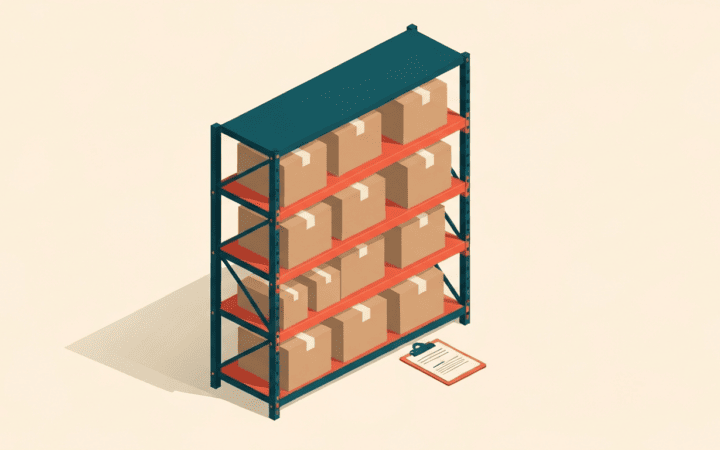
Consider the sequence. You commit to a production run and pay for it. You wait while it is manufactured and shipped. Only then can you begin selling, and even then the money comes back gradually as units sell, not all at once. Throughout that entire period, your capital is tied up in boxes rather than available for anything else. If you overestimate demand, you have money frozen in stock that is not moving. If you underestimate demand and sell out, you may be unable to restock quickly enough to keep momentum, and reordering itself requires more cash committed upfront.
The lesson is not that private label requires a fortune to start. It is that private label is as much a cash-flow discipline as it is a marketing exercise. Planning inventory conservatively, understanding your reorder timeline, and keeping a buffer for the inevitable surprises matter at least as much as any clever growth tactic. Many private label businesses that fail do not fail because the product was bad. They fail because the owner ran out of cash at the wrong moment.
Who private label tends to suit
Private label is not universally the right model, and it is worth being honest about who it fits. It tends to suit people who want to build something durable, who are willing to commit capital and accept inventory risk, and who are more interested in owning a brand than in running the leanest possible operation. The reward for that commitment is an asset with real equity: a brand and a customer base that belong to you.
It tends to suit less well those who want to start with almost no money at risk, who need income immediately, or who are not prepared to handle the operational responsibilities of holding stock and standing behind a product. For those situations, a lower-commitment model may be a more honest fit, at least as a starting point.
If you do pursue private label, treat the early decisions with the seriousness they deserve. Spend your effort on selecting the right product, verifying its quality before you scale, and building a brand worth the premium you are asking customers to pay. Those are the levers that decide outcomes. Manufacturers are findable and marketing tactics are learnable, but a poor product choice or a cash-flow miscalculation is far harder to recover from once the inventory is already paid for and sitting in a warehouse.