What subscription commerce is, and why stores are drawn to it
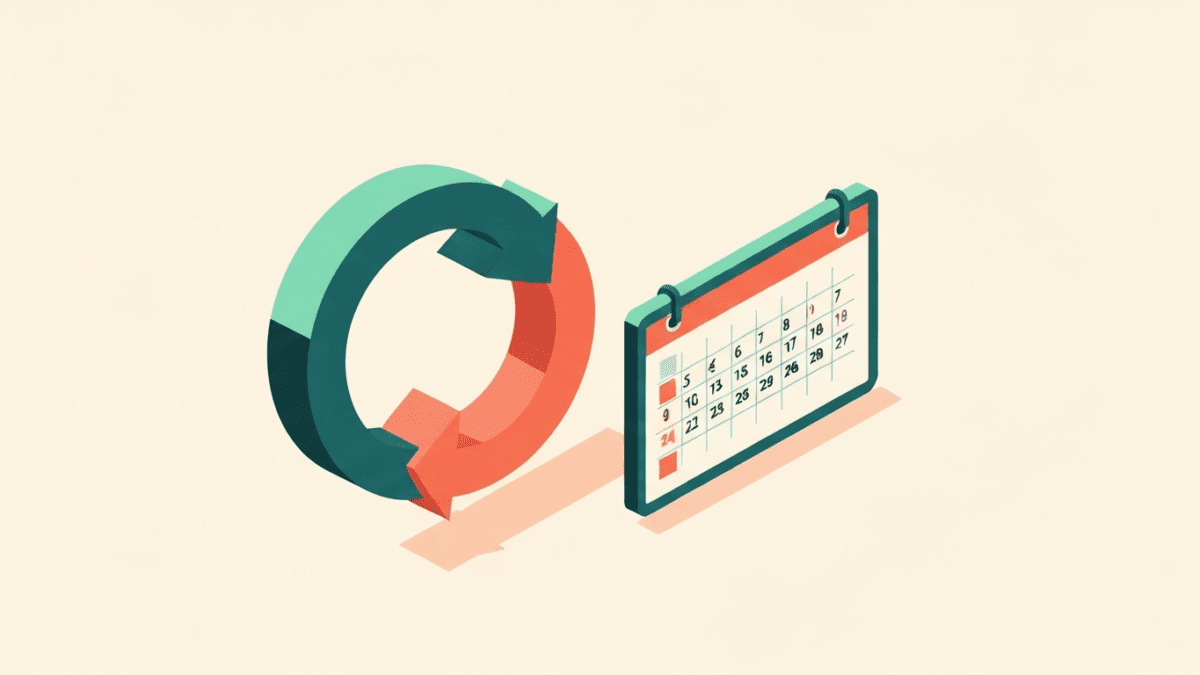
Subscription commerce means charging a customer on a repeating schedule rather than for a single transaction. Instead of selling a product once and hoping the buyer returns, you enroll them in an ongoing arrangement that bills automatically until they cancel. The appeal to store owners is easy to understand. Predictable, recurring income is far more stable than the constant hunt for the next one-off sale, and it lets you plan inventory, cash flow, and growth with more confidence.
That appeal is real, but it is also frequently oversold. A subscription is not a way to extract more money from a customer who has no reason to keep paying. It is a promise of recurring value in exchange for recurring payment, and the whole model collapses the moment customers stop feeling they are getting their money’s worth. Understanding that trade honestly is the difference between a durable subscription business and a churn-plagued one that leaks customers as fast as it acquires them.
The main flavors of subscription
Subscription models tend to fall into a few recognizable patterns, and which one fits depends entirely on your product.
Replenishment
Replenishment subscriptions deliver a product the customer already uses and will run out of, on a schedule that matches how fast they use it. The value proposition is convenience and never running out. This model tends to be the most durable because it is anchored to a genuine, recurring need rather than to novelty. If someone consumes a product on a predictable cadence, automating its delivery removes a chore they would otherwise have to repeat.
Curation
Curation subscriptions deliver a changing selection of items, often with an element of discovery or surprise. The value is the experience and the sense that someone is choosing well on the customer’s behalf. Curation can be compelling, but it also tends to face higher churn, because novelty fades and the reason to stay subscribed is more emotional than practical. Keeping curation subscribers requires continually refreshing what makes the experience worth receiving.
Access
Access subscriptions charge a recurring fee for ongoing benefits, such as membership perks, discounted pricing, or exclusive availability, rather than for a shipment of goods each cycle. The value is the standing relationship itself. This model works when the accumulated benefits clearly outweigh the fee over time, and struggles when customers do the math and conclude they are paying for something they rarely use.
The economics: it all comes down to how long people stay
The central financial idea in subscription commerce is that the value of a customer is spread across time rather than captured in a single sale. A one-off purchase returns its margin once. A subscriber returns margin every cycle they remain enrolled. That means the entire model lives or dies on retention, and the key number is churn: the rate at which subscribers cancel over a given period.
Churn matters so much because it works against you continuously. Even a modest cancellation rate compounds. If a meaningful share of subscribers leaves every month, you have to acquire new ones just to stay level, and growth requires acquiring faster than you lose. A subscription business with high churn is like filling a bucket with a hole in the bottom: you can pour in customers indefinitely and never see the level rise.
Why the first sale often loses money on purpose
Acquiring a subscriber frequently costs more than the first payment brings in. Marketing, promotions, and onboarding all cost money, and the initial charge may not cover them. In a healthy subscription business, that is acceptable, because the customer is expected to stay long enough that the accumulated payments comfortably exceed the cost of winning them. In an unhealthy one, customers churn before that break-even point, and every new subscriber deepens the loss. This is why churn and acquisition cost have to be understood together, never in isolation.
| Model type | Core value to customer | Typical retention challenge |
|---|---|---|
| Replenishment | Convenience, never running out | Customers pausing when they overstock |
| Curation | Discovery and experience | Novelty fading over time |
| Access | Ongoing perks and standing benefits | Customers underusing the benefits |
Operational demands you cannot skip
Subscriptions add operational obligations that one-off sales do not. Billing has to run reliably on schedule, and payment failures, which happen routinely as cards expire or get replaced, have to be handled gracefully rather than treated as instant cancellations. Fulfillment has to be dependable and repeatable, because a subscriber who receives a late or wrong shipment has a fresh reason to cancel every single cycle, not just once.
Perhaps the most underrated requirement is making cancellation easy. It feels counterintuitive to smooth the path out the door, but hiding or obstructing cancellation damages trust, invites complaints, and in many places runs into consumer-protection expectations about how recurring billing must work. A customer who leaves cleanly and without frustration may well return later. One who feels trapped will not, and may warn others away. Respecting the customer’s ability to leave is both the ethical choice and, over the long run, the commercially smarter one.
Signs subscription is, or is not, right for your store
Subscription commerce fits best when your product has a natural reason to be delivered or accessed repeatedly, when the ongoing value plainly exceeds the recurring cost, and when you can commit to the operational discipline that recurring billing and fulfillment demand. Consumable goods, products tied to habits, and genuinely valuable ongoing access are the strongest candidates.
It fits poorly when the product is a one-time purchase with no organic reason to buy again, when the only way to justify recurrence is to pressure customers into it, or when you cannot yet deliver reliably enough to earn a payment every cycle. Bolting a subscription onto a product that does not want one tends to produce high churn and a stream of frustrated customers. The most honest test is simple: would a reasonable customer, looking at what they receive each cycle, feel the recurring charge is fair? If the answer is a confident yes, the model has a foundation. If it requires convincing yourself, that is a warning worth heeding before you build billing around it.